A Hush Before the Vows: Is an Electric Wedding Car Right for Your 2026 Celebration?
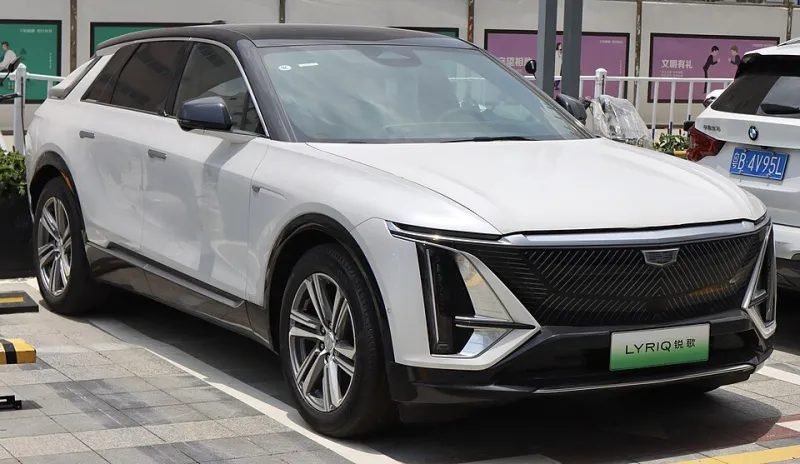
Photo: User3204, CC BY-SA 4.0, via Wikimedia Commons
There is a particular moment, just before the bride steps out, when everyone listens. With a petrol car you get the engine settling, a door thunk, perhaps a polite cough from the exhaust. With an electric car you get something stranger: a hush, a soft hum, the crunch of gravel and the sound of your own nerves. Whether that silence feels luxurious or unnerving is, frankly, the whole question.
Electric wedding cars are no longer a novelty in the UK. Luxury saloons such as the Mercedes EQS, BMW i7 and Audi e-tron GT now appear on hire fleets alongside the usual Rovers, Daimlers and Bentleys. Some firms even offer electric conversions of classic shapes. The appeal is obvious: clean air, smooth progress, no fumes beside a marquee and a cabin that can be pre-cooled or pre-warmed before you appear. But an electric car changes the rhythm of the day in ways that are worth thinking through before you book.
The quiet is the point — and the problem
Silent running is lovely when you want calm. It is less lovely when you want theatre. A classic V8 arriving at a church gives guests a heads-up; an EV may glide into the lychgate before anyone has looked up. At low speed, electric cars emit a pedestrian warning sound, but it is a polite whirr rather than an event. On gravel, tyres do more announcing than the motor.
That can be a gift. If you have elderly guests, a nervous flower girl or a venue with a strictly residential neighbour, the absence of engine noise is a kindness. It also makes conversation possible in the back seat without raising your voice — a genuine pleasure on a longer transfer between ceremony and reception. The trade-off is drama. If you have always imagined a rumbling arrival, an EV will feel like a library rather than a love scene.
Range, charging and the rural venue question
This is where practical planning matters more than badge appeal. Most luxury electric saloons will comfortably cover a typical wedding day of 60 to 120 miles, but winter weather, heater use and a heavy right foot all nibble at the advertised range. A chauffeur should be planning around real-world figures, not brochure ones.
Rural venues are the tricky bit. A hotel in the Cotswolds, a barn in the Yorkshire Dales or a coastal spot in North Norfolk may have a destination charger — or may have one three-phase socket and a hopeful owner. Ask the hire company exactly how the car will be charged between trips. A professional firm will not be relying on a public rapid charger on the morning of the wedding. They will either start with plenty of charge, charge at the venue while photographs are happening, or have a backup plan.
Also ask what happens if a charger is out of order. This is not a reason to avoid electric cars; it is a reason to book with someone who has done this before. Pre-conditioning the cabin while plugged in is a small luxury on a cold November morning, and it is worth asking whether the car will be warm before it reaches you.
Clean-air zones and the cost ledger
If your route touches London’s ULEZ, Birmingham’s clean air zone, Bath’s zone or Oxford’s zero-emission zone, an electric car can simplify things. EVs are generally exempt from clean-air charges, though you should confirm the specific rules and whether any congestion charge still applies. A classic petrol car may attract a daily fee that has to be built into the quote.
On cost, do not be seduced by cheap electricity. The hire price of a luxury EV is driven by the car’s capital cost, the chauffeur’s time, insurance and preparation — not by the price of a kilowatt-hour. An electric saloon may cost broadly the same as a modern petrol luxury car, and more than a well-kept classic. Ask what is included: charging, clean-air charges, congestion charge, mileage limits and any extra for a second location. The cheapest quote is rarely the whole story.
Ribbons, reflections and the photograph problem
EVs photograph beautifully, but differently. The smooth nose and absence of a grille can make ribbon placement more of a conversation. Traditional bonnet bows need secure fixing points; suction mounts and under-bonnet straps are often better than magnetic pads, which will not stick to aluminium or composite panels. Ask the hire company how they attach decorations without risking the paint.
Colour matters too. A white EV with white ribbons can look washed out in bright light; deep burgundy, navy or foliage-heavy arrangements give the shape definition. The upside is that electric saloons tend to have sleek, contemporary lines that suit minimalist styling — a single sculptural bloom rather than a full floral corset. If your theme is modern and pared-back, that is a happy match.
The chauffeur’s craft changes
A good chauffeur in a petrol car manages gear changes and a smooth right foot. In an EV they manage regenerative braking, one-pedal driving and the slightly eerie instant torque. Done well, it is the smoothest ride your grandmother will have all year. Done badly, it can feel like being driven by a lift.
Ask whether the chauffeur is experienced with the specific model and with charging en route. A firm that rents in an EV for the day and hopes for the best is not the same as one that runs them regularly. Small questions — how do you stop it creeping at the church porch, how do you keep the cabin cool without draining the battery, where is the nearest charger if plans change — reveal a lot.
The case for petrol romance
None of this makes electric cars the automatic choice. A classic petrol car brings sound, smell and a sense of occasion that no silent saloon can replicate. The rumble at the end of the lane, the warmth of the bonnet, the history in the back seat — these are real pleasures, not mere nostalgia. If that theatre is central to your vision, a classic is the honest answer, clean-air charges and all.
How to decide without overthinking it
Start with the route, not the badge. If your day involves long rural transfers, ask for a charging plan in writing. If your venue has a tight gravel drive or a walled garden where exhaust fumes would linger, an EV has a clear advantage. If you want the arrival to be an event in itself, a petrol car still wins on atmosphere.
Finally, ask to see the actual car, or at least photographs of the exact model, with ribbons fitted. Silent running can be romantic — it is the quiet before the vows, after all — but only if the practicalities have been thought through. Choose the car that suits your day, not the one that suits a headline.