Book the Car, Not the Panic: A Twelve-Month Wedding Vehicle Timeline for 2026
Your wedding car should be one of the calmest parts of the day. It is also one of the easiest things to leave too late, especially if you have your heart set on a particular classic model or a specific luxury saloon. For couples marrying in 2026, the trick is to work backwards from the ceremony time and give each decision a home. This timeline is designed for UK weddings, with all the practical bits—insurance, access, decorations and venue timings—built in. If your date is already close, skip to the final sections and use them as a checklist.
Twelve months out: write the brief before you browse
Before you fall for a photograph of a 1960s Jaguar or a gleaming Bentley, jot down the basics. What time is the ceremony? How many people need to travel in the car? Are there children, older guests or anyone with accessibility needs? Do you want one car or a small convoy? What is your colour palette, and does the venue have any restrictions on vehicles?
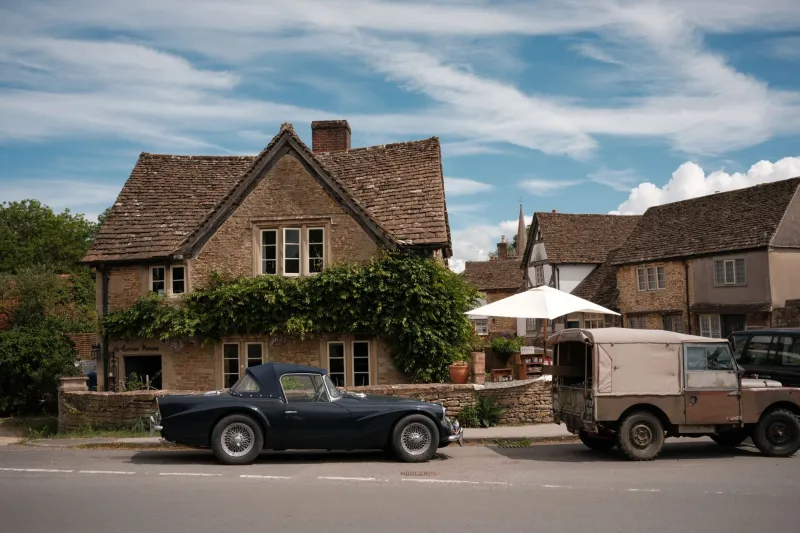
This is also the moment to decide between a classic car and a modern luxury saloon. Classics bring character and photographs, but they can be less comfortable, harder to access and more weather-sensitive. Luxury saloons offer climate control, space and a smooth ride. Neither is better—it is about matching the car to the day.
Check your budget and include the less glamorous extras: ribbons, a backup vehicle, extra hours, travel beyond the supplier's area and any congestion or clean air zone charges. Ask early whether insurance, breakdown cover and a chauffeur are included. A reputable wedding car supplier should be able to confirm these in writing.
Nine to ten months out: shortlist and view in person
Websites are a starting point, not the whole story. Try to see the car before you book, or at least ask for recent photographs and a video walkaround. Sit in the back. Check headroom, legroom and how easy it is to step in and out. If anyone in your party has mobility needs, ask about step stools, wide doors or a vehicle with a lower sill.
Popular models disappear quickly, particularly vintage Jaguars, Rolls-Royce and Bentley saloons, and nicely presented camper vans. Booking early helps you avoid both availability gaps and last-minute price hikes. Ask what happens if the car breaks down on the day—good suppliers have a contingency plan, not just a pretty fleet.
Six to eight months out: confirm paperwork and access
Once you have chosen a supplier, read the contract properly. Confirm the date, collection and arrival times, addresses, passenger numbers and the number of hours booked. Check the cancellation policy and ask what happens if the weather turns. For classic cars, ask specifically about wet-weather arrangements and whether the car can be driven in rain.
Insurance should be straightforward but worth checking: is the vehicle fully insured for hire and reward, is there a current MOT, and is breakdown cover included? Ask for the chauffeur's name and whether they have driven at your venue before. If accessibility is a factor, put your questions in writing and keep the replies with your booking.
Three to five months out: decorations, photography and arrival timings
Ribbons and bows are a lovely touch, but they need permission. Some venues ban them, some car owners prefer magnetic fixings to protect paint, and some classic cars look better with a simple ribbon than a full bouquet. Choose colours that work with the car and the venue—ivory and sage for a country house, deep red for a city hotel, or something brighter for a marquee.
This is also the time to talk to your photographer. The car is not just transport; it is a moving backdrop. Ask for a few detail shots—door handles, bonnet, ribbons—and a portrait of you both arriving. Build in a buffer for UK traffic, roadworks, agricultural vehicles and school runs. A good supplier will advise on arrival timings, but you should still agree a clear plan with the venue.
One to two months out: final checks and a wet-weather plan
Reconfirm everything: addresses, postcodes, timings, mobile numbers and who will meet the car. Send the supplier a simple schedule and ask them to confirm receipt. If your venue has a long driveway, a gravel courtyard or a narrow lane, check the access details again. Ask where the car should stop for photographs and whether it can wait on site.
Pack a small kit for the day: tissues, a towel, an umbrella, water and a few safety pins. If you are using a classic car, ask whether seat covers or blankets are provided. Check whether the supplier needs anything from you, such as parking permits or access codes.
The week before: a calm run-through
Confirm the chauffeur's name and mobile number. Check the meeting point and the exact time the car will arrive. Make sure everyone travelling in the car knows the plan. If you are having a second car for guests, confirm that too. Pay any balance and keep a copy of the contract on your phone.
The morning of: small things that save the day
Give yourself more time than you think you need. Charge your phone, keep the ribbons tidy and make sure the car has a clear route to the ceremony. Take a breath. The car is there, the plan is set, and the day can take over.
The bottom line
A wedding car timeline is not about adding stress; it is about removing decisions from the final weeks. Start with the practical questions, book early for the cars you love, and keep the venue and the weather in the conversation. Do that, and the car becomes what it should be: a lovely part of the day, not a last-minute worry.