Grandpa's Rover or the Hire Bentley: Deciding Whether the Family Car Earns Its Moment
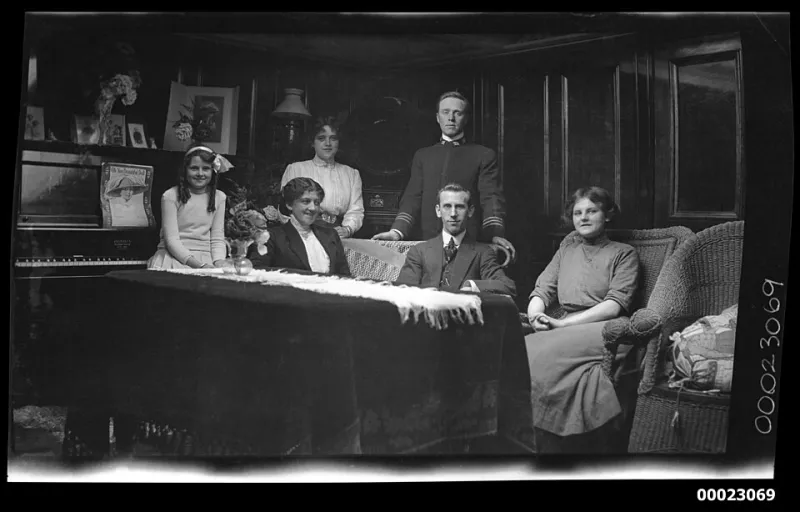
Photo: Australian National Maritime Museum on The Commons, No restrictions, via Wikimedia Commons
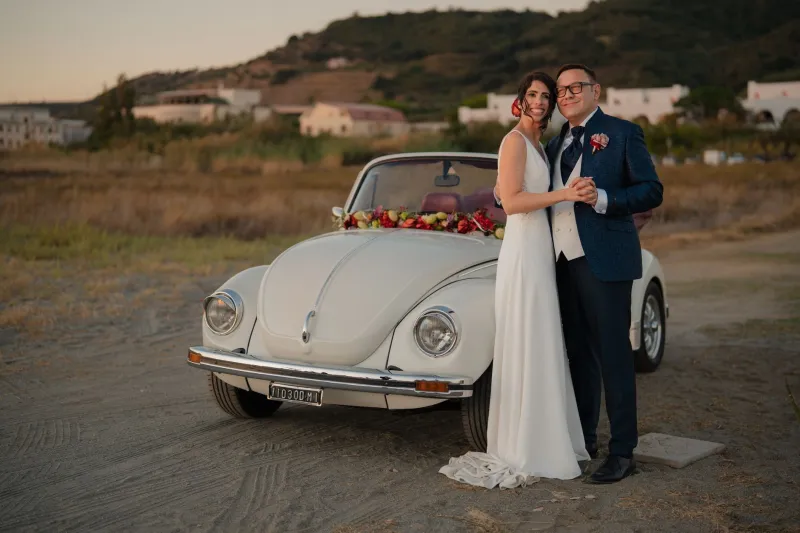
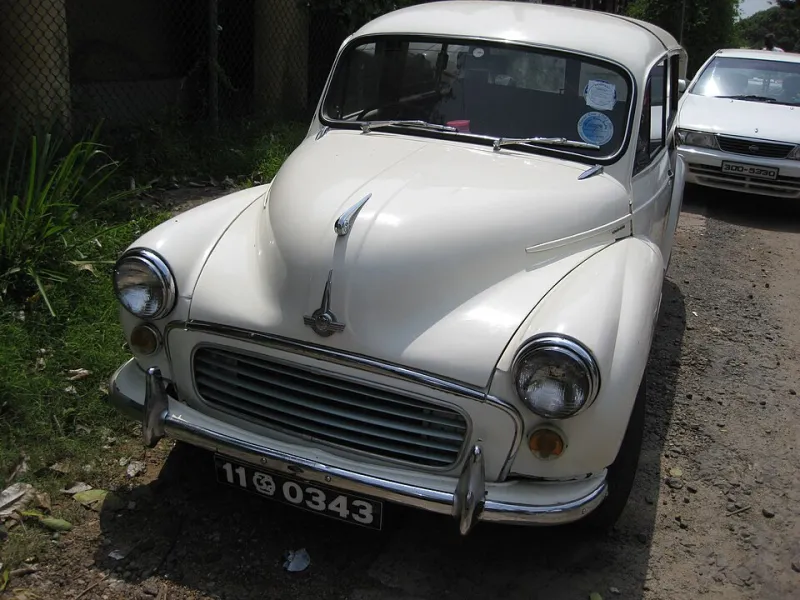
There is a photograph on a lot of family sideboards: a grandfather in a hat, leaning on a Rover or a Triumph or an old Mercedes, looking like he owns the road. It is entirely understandable that a couple would want that car at their wedding. It is also the sort of decision that looks simple until someone mentions insurance.
This is not an argument against family cars. Some of the best wedding vehicles I have seen were borrowed, slightly tired and full of history. But the charm only survives if the practicalities have been thought through first. Here is how to work out which side of the line you are on.
Sentiment is real, and it photographs beautifully
Let us be clear about the upside. A family car carries a story that no hire company can supply. Guests recognise it. The photographs mean something to people who never met the man in the hat. And there is a particular kind of joy in a bride climbing into the back of the car her mother left the church in forty years earlier.
There is also a practical advantage: no hire window, no rigid collection time, and no charge for the car sitting outside a venue for six hours. If you are on a tight budget, that matters.
The insurance question comes first
This is where most family-car plans quietly fall apart, and it is worth an hour of your life.
- Borrowing a car on 'driving other cars' cover usually gives third-party cover only, and plenty of policies exclude it entirely. Check the certificate, not the memory of a phone call.
- Paying the owner — even mates' rates, even for fuel — can be treated as hire and reward. Standard policies do not cover that. If money is changing hands, the owner needs proper cover.
- Classic policies often carry mileage limits, agreed valuations, garaging conditions and driver-age restrictions. A wedding is exactly the kind of use that can sit outside the terms.
- Short-term cover exists and is often surprisingly cheap for a single day. Take it out properly rather than hoping.
Also check the driver: many policies require the driver to be 25 or over, and some want a licence held for a set number of years. A twenty-two-year-old nephew in a borrowed Jaguar on a Saturday in July is not a risk worth taking.
MOT, tax and the boring bits
Vehicles over forty years old can be exempt from both MOT and vehicle tax in the UK, and in 2026 that rolling exemption covers a good many 1980s cars. Exemption is not the same as roadworthiness. A voluntary MOT costs very little and tells you something you need to know. If the owner has not had one in a decade, that is a conversation worth having now rather than in the week of the wedding.
Do not forget clean air zones. London's ULEZ has a historic vehicle exemption, but it requires registering the vehicle first, and it does not happen overnight. Check any city you are driving through, not just the one you are getting married in.
Reliability is not a feeling
The car has started every summer for fifteen years. That is lovely. It is not evidence.
Do a trial run on the actual route, at the actual time of day, with roughly the actual number of people on board. Take it on a dual carriageway. Sit in traffic with the engine running. Discover the overheating problem in June rather than on the morning.
Then sort out breakdown cover. Personal cover follows you across vehicles; vehicle cover does not. A 1974 saloon with a failed fuel pump is not a disaster if recovery is a phone call away.
Comfort is where romance meets reality
The photographs will be wonderful. Getting in and out in a fitted fishtail gown is another matter. A few things worth checking before you commit:
- Rear seat belts. Many pre-1965 cars have none, and a lap belt only if you are lucky.
- Door height and sill depth. Some old saloons require a step up, a duck and a small leap.
- Heating and ventilation. The heater may be a hairdryer and the demisting may be a rumour.
- Exhaust smell. It will cling to the dress. Usually forgivable, occasionally not.
- Legroom. Especially if the groom is six foot three and the car has a bench seat.
Take the dress, or something with the same shape, on the trial run. It sounds excessive. It is not.
Styling an old car without harming it
A family car comes with family guilt attached, and the last thing anyone wants is a scratched bonnet. Tie ribbons to door handles. Avoid tape on paintwork, avoid magnetic signs on aluminium or fibreglass panels, and think twice before clamping a suction mount to fifty-year-old lacquer. If the car is a two-door, the ribbons may need to go on the rear quarter — accept it and move on.
When hiring is the kinder choice
Hiring is not a defeat. It is often the more generous option, particularly if:
- The route involves a long motorway transfer between ceremony and reception.
- The timetable is tight and the car is a fifty-year-old variable.
- Grandparents or small children need to travel in comfort and safety.
- Nobody actually wants to drive on the day.
- The owner is quietly anxious about the whole thing, which is more common than anyone admits.
An anxious owner standing in a car park with a cloth is not the atmosphere you want at your wedding.
A middle path worth considering
You do not have to choose one. Plenty of couples use the family car for the short, photogenic leg — the church to the village hall — and hire something newer and more comfortable for the longer journey. Others use the heirloom for portraits only, with a hired car doing the real transport. Everyone gets their photograph. Nobody gets stranded on the A34.
The candid checklist
If you can tick most of these, the family car is a genuinely lovely choice:
- Proper insurance for the driver, confirmed in writing.
- MOT, even if it is voluntary, and tax status checked.
- A trial run on the real route completed.
- Breakdown cover that covers that vehicle.
- Seat belts, comfort and access checked with the dress.
- A designated driver who is not also the best man.
- The owner genuinely relaxed about the whole thing.
If half of those boxes are empty, hire. The car on the sideboard will still be in the photographs, and nobody has to worry about it on the day.