Kick-Offs, Kerbs and Church Bells: Routing a Wedding Car Through a Busy British Saturday

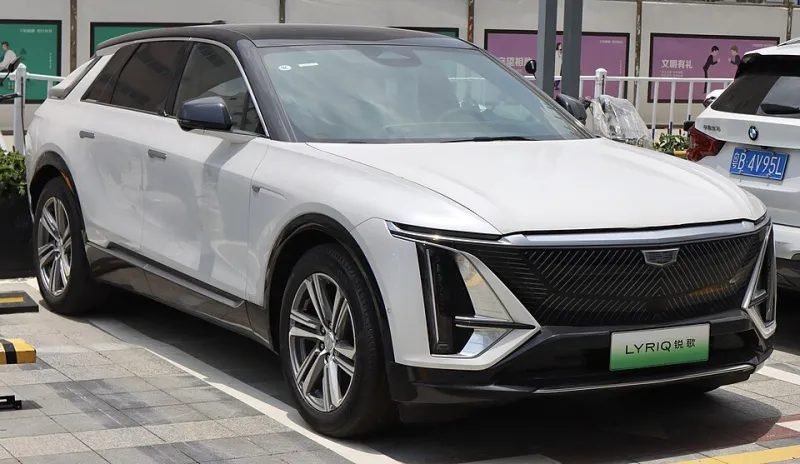
Photo: Unknown, Public domain, via Wikimedia Commons
Most wedding-car planning begins with a lovely question: which car? The trickier question is where it will actually go. A British Saturday can turn a pretty ten-minute run between a hotel and a parish church into a stop-start crawl past market stalls, parked vans, football crowds and the last remnants of the school run. None of that has to spoil the day, but it does need to be mapped before the ribbon goes on.
Start with the calendar, not the map
Before you fall in love with a route, check what else is happening in town on your date. Market days are the obvious one: Ludlow, Stamford, Bury St Edmunds, Ripon and plenty of others can transform a high street into a slow-moving parade of stalls, delivery vehicles and shoppers. Then look at sport. A home fixture at a nearby ground can close roads, fill car parks and send a cheerful but unpredictable tide of people across pedestrian crossings. Add in parkrun mornings, school-term traffic, roadworks and any civic event, and the map starts to look less like a clean line and more like a living thing.
This is not about being pessimistic. It is about protecting the atmosphere. A couple who know the town is busy can choose a slightly longer, quieter route and arrive feeling composed. A couple who do not know may spend the last mile watching the clock.
The recce drive is worth its weight in calm
If you can, drive the route at roughly the same time of day, on the same day of the week, a few months before the wedding. Take note of the awkward bits: the blind bend after the mini-roundabout, the narrow stretch where two cars cannot pass without one reversing, the level crossing that can hold traffic for several minutes, the church lane with no turning space. Photograph the church entrance and the reception arrival point. Note where a wedding car can legally stop and where it absolutely cannot.
Do this in an ordinary car, not a hired Rolls-Royce. You are checking the road, not auditioning the upholstery. If a full recce is impossible, use satellite view and Street View, then ask your venue or chauffeur for local knowledge. A good operator will already know that the market square is impassable before ten, or that the football traffic clears faster via the back road.
Build buffers that do not look like panic
A realistic Saturday route needs breathing room. For a church ceremony, aim to have the wedding car arriving at the church at least fifteen to twenty minutes before the start, with the bride or partner not expected to step out immediately. That gives time for the driver to find the drop-off point, for photographs on arrival, and for the inevitable last-minute adjustment to a dress, a buttonhole or a nervous parent.
On the road itself, add a buffer of roughly 25 to 30 per cent to the estimated drive time. If the route usually takes twelve minutes, allow eighteen. If it usually takes twenty-five, allow thirty-five. That sounds cautious, but it is the difference between a relaxed arrival and a chauffeur taking a rat-run through a housing estate because the high street has seized up.
Market-day mathematics
Market towns are wonderful for photographs and terrible for last-minute improvisation. If your route passes through a market square, check whether the council closes roads or suspends parking on your date. Some towns pedestrianise the centre on market days; others merely fill it with vans and gazebos. Ask the venue whether they recommend a drop-off point on the edge of town, or whether the church has a private approach that avoids the main street.
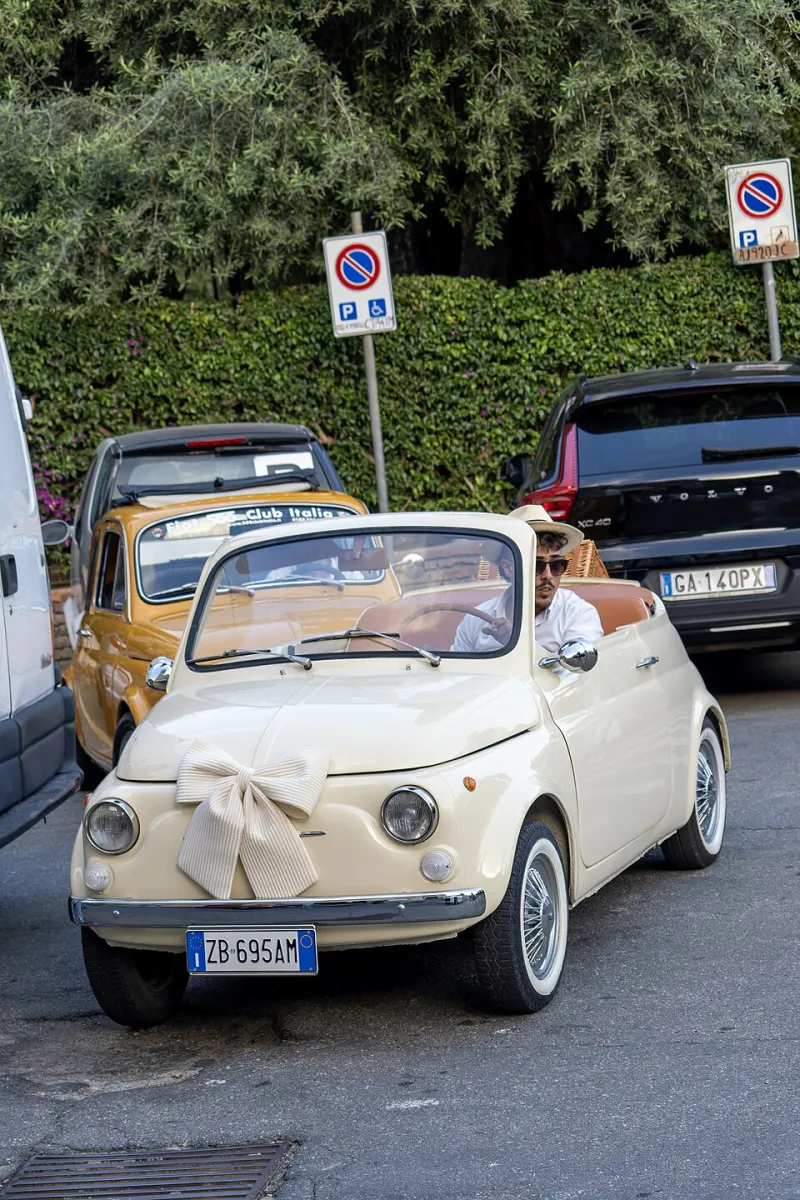
If the high street is narrow, remember that a long-wheelbase wedding car takes up more space than you think. A vintage saloon may be more nimble than a modern limousine, but neither enjoys a three-point turn between a bollard and a bakery. Where possible, keep the final approach simple: one turn, one clear drop-off, one obvious exit.
Match days and the crowd you did not invite
A football fixture can be a genuine route hazard, especially around older grounds where streets tighten and pavements overflow. It is not usually hostile, just dense. If your route crosses a match-day crowd, either shift the timing or choose a different road. Do not assume the driver can 'just nip through' ten minutes before kick-off.
If the ceremony is near a ground, warn the chauffeur and the venue. Ask whether there is a police or steward-managed route, and whether parking restrictions apply. The same goes for rugby, cricket festivals, race days and agricultural shows. A quick call to the local council or venue is rarely wasted.
Brief the chauffeur in plain English
The best route plan is useless if it lives only in your head. Give the chauffeur a simple route card: pickup address, planned departure time, the intended route by road name, any known closures, the church drop-off point, and a mobile number for the venue or a trusted guest. Mark the entrance you actually want, not just the postcode. Churches and hotels often have several gates, and the one that looks obvious on a map may be locked on a Saturday.
Ask the chauffeur to text when they leave the pickup and when they arrive at the church. That single habit removes a surprising amount of low-level worry. It also means nobody is ringing the driver while they are negotiating a market-day one-way system.
Choose photo stops that give time back
A photo stop can be a lovely part of the day, but only if it is close, legal and quick. A scenic lay-by ten minutes off route may look glorious on paper, yet it can eat twenty-five minutes in practice. Keep the first stop within five or ten minutes of the route, and have a fallback if the weather turns. A church porch, a quiet lane, a venue driveway or a market-town square before the stalls open can all work beautifully without turning the morning into a tour.
Church bells and the clock
Church bells are part of the romance, but they also run to their own schedule. Ask the church whether bell-ringing practice, a previous service or a funeral will affect access. Confirm where the car can wait and whether the lychgate or lane is used by other traffic. If the ceremony starts at two, aim to have the car settled well before the bells begin. The last thing anyone wants is to hear the first peal from a traffic jam.
The route card that saves the morning
A simple one-page plan is enough:
| Detail | What to note |
|---|---|
| Pickup | Address, gate, parking, contact number |
| Route | Main roads, known closures, market-day bypass |
| Buffer | Planned arrival 20 minutes before ceremony |
| Drop-off | Exact church entrance and waiting spot |
| Photo stop | Optional, close to route, weather fallback |
| Contacts | Venue, chauffeur, one calm guest |
A wedding-car route is not really about traffic management. It is about preserving the feeling of the day. When the drive is planned around the ordinary chaos of a British Saturday, the couple get to look out of the window rather than at the clock. The market can bustle, the match can kick off and the bells can ring on time. The car simply glides through it.